The Policy Keeping Irvine Long-Term
In the Irvine rental market, you won't find the same density of weekend vacationers common in nearby Newport Beach or Laguna Beach. This is largely due to Irvine's municipal code, which prohibits short-term rentals (STRs) of fewer than 31 days in residential zones. For renters, this policy is more than just a noise-reduction measure; it is a critical gatekeeper for housing supply. By preventing apartments and single-family homes from being converted into mini-hotels, the city ensures that the existing housing stock remains dedicated to residents who live, work, and commute within the Irvine ecosystem.
The Economics of the Ban
Research suggests that STR bans have a measurable impact on housing availability. According to a study by Seiler et al. (2023), the reallocation of housing from short-term platforms like Airbnb back to the long-term rental market can significantly mitigate rent increases and increase the supply of available units for residents. In cities where STRs are prevalent, 'listing bleed' often occurs, where units that would normally be available for a 12-month lease are pulled into the transient market. Irvine’s preemptive and consistent enforcement of its ban avoids this trap, keeping the Irvine rental market focused on long-term stability rather than seasonal speculation.
Neighborhood Stability and Local Lifestyle
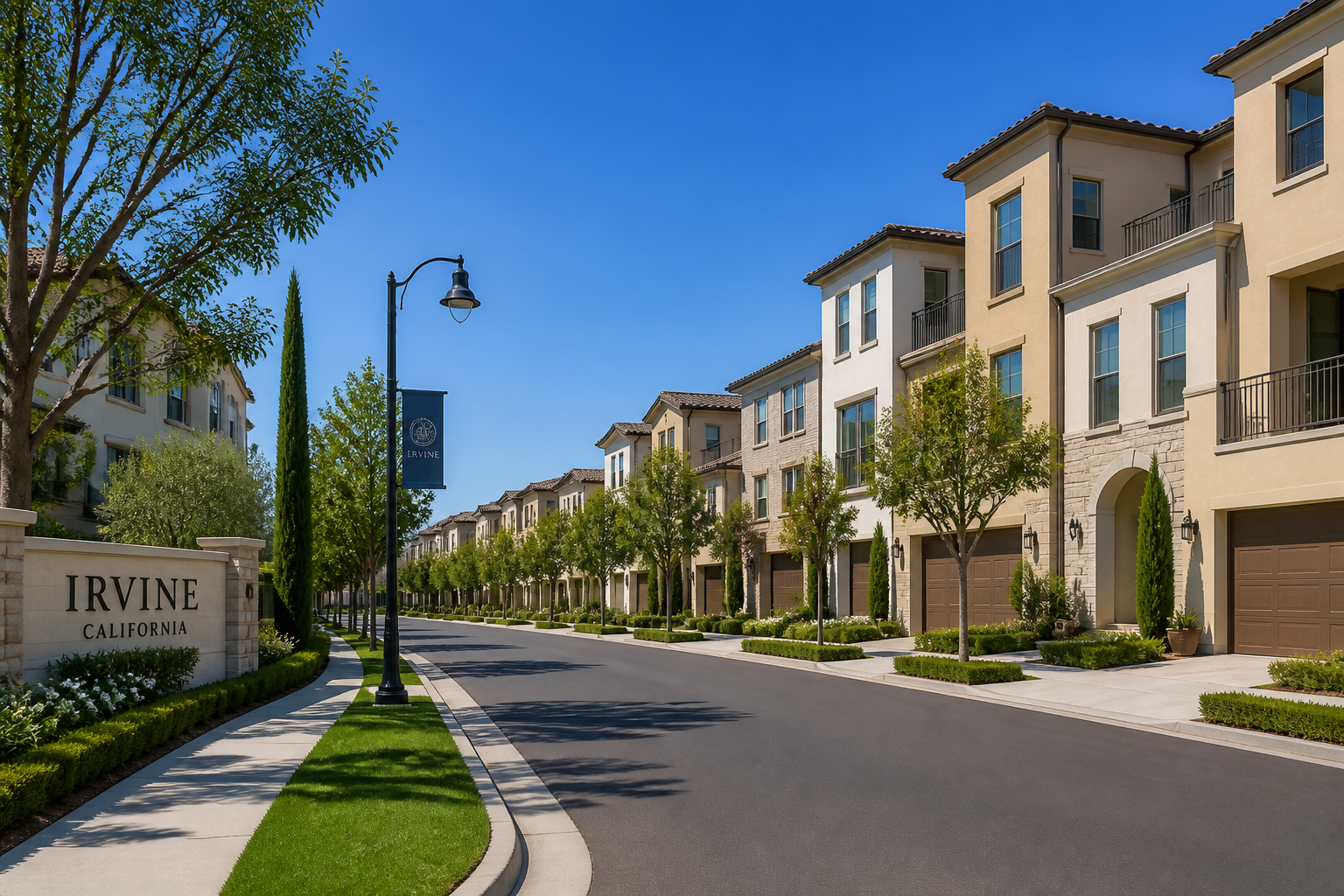
Beyond the raw numbers of the Irvine rental market, the STR ban supports the lifestyle that drives people to the city. Residents often cite the quiet nature of Irvine’s villages, such as Woodbury, Portola Springs, and Turtle Rock, as a primary draw. Without the constant turnover of transient guests, these neighborhoods maintain a consistent community feel. For renters, this means knowing your neighbors and enjoying public amenities, parks, and trails that aren't overcrowded by a rotating weekend population. This predictability is a cornerstone of the 'Irvine experience' for those making long-term housing decisions.
What This Means for Your Next Move
For those navigating the Irvine rental market today, the STR ban serves as a floor for inventory. While demand in South Orange County remains high, you aren't competing against high-revenue vacation rental operators for that next townhouse. However, because the supply is strictly long-term, the application process in Irvine is notably rigorous. Landlords here prioritize 'Good Tenants'—those with strong financial profiles and clean rental histories—because they are looking for multi-year stability rather than the quick returns of a nightly rental. Understanding this environment can help you position your application more effectively.