The Core of the Irvine Income vs. Rent Gap
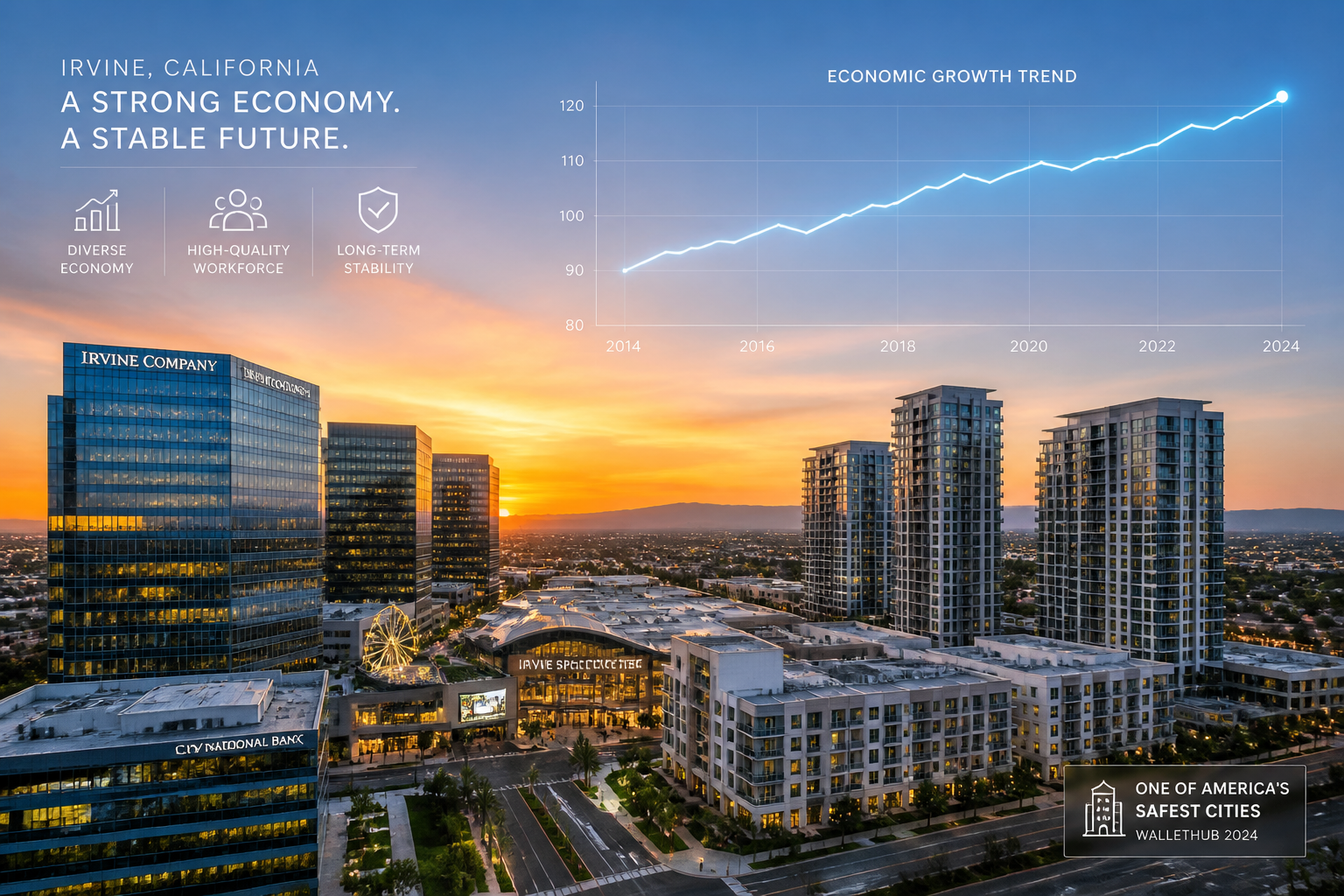
Understanding the current rental environment in Irvine requires looking beyond simple supply and demand. The **Income vs. Rent Gap** refers to the relationship between the median household income and the average cost of high-quality rental housing. While many markets across California have seen significant volatility in 2026, Irvine maintains a unique stability. This isn't accidental; it is grounded in the city's concentration of professional services, tech, and healthcare sectors that continue to support strong income levels. When income growth keeps pace with or exceeds rental adjustments, the market finds a sustainable floor that prevents the drastic corrections seen in less diversified economies.
What the Federal Reserve Data Tells Us
According to research from the **Federal Reserve Bank of San Francisco (FRBSF, 2026)**, official housing inflation metrics often lag behind real-time market shifts, but current data points to a 'cooling but firm' rental landscape in high-demand coastal suburbs. The FRBSF notes that in regions with high barriers to entry for new construction, rental prices are increasingly anchored by the 'resident income buffer.' In Irvine, this buffer remains robust. The study suggests that even as national interest rates fluctuate, local rental markets with a high density of graduate-level employment see less 'rent distress' and more consistent month-over-month pricing stability. This means for Irvine renters, the market isn't necessarily getting cheaper, but it is becoming more predictable.
Navigating the 30% Rule in Irvine
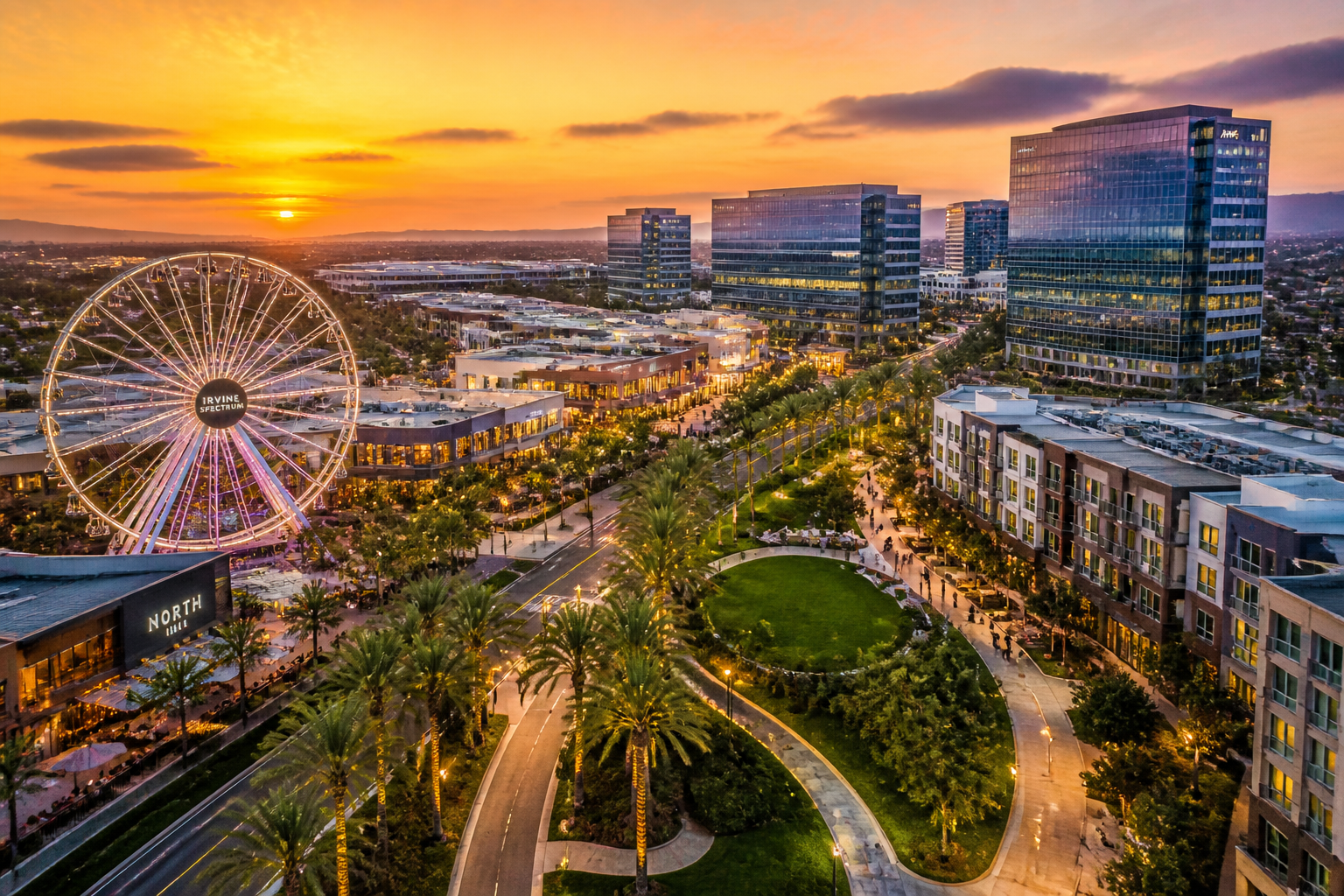
Financial experts long suggested that housing should not exceed 30% of gross income. In Irvine, the Income vs. Rent Gap is managed by a workforce that largely meets this threshold for luxury apartments and townhomes. However, as the gap between entry-level wages and professional salaries widens, the competition for mid-tier housing has intensified. We are seeing a trend where renters are prioritizing proximity to major employment hubs like the Irvine Spectrum and UCI to offset transportation costs, effectively reallocating their budget to maintain their lifestyle within the city's borders. This demand from high-income earners keeps the floor high for all available units.
What Stability Means for Your Next Move
If you are planning a move in late 2026, don't expect a sudden drop in Irvine rents. The alignment between local earnings and housing costs suggests a period of 'horizontal' movement rather than vertical spikes. For renters, this is actually good news. Predictability allows for better long-term budgeting and reduces the likelihood of steep renewal increases. When the Income vs. Rent Gap is stable, it creates a healthier ecosystem for both residents and providers, ensuring that the amenities and infrastructure Irvine is known for—such as the expansive trail systems and well-maintained parks—can be supported by a consistent resident base.